Table of Contents
Freely communicate with your therapist regarding any worries or modifications in your mental health and wellness, and together, you can figure out the most appropriate strategy. Open up and straightforward communication with your therapist is essential when going over the frequency of the sessions. Here are some ideas on just how to efficiently connect your requirements and concerns: Spend some time to review your treatment experiences and exactly how the current frequency is affecting your progress and wellness and whether you need.

Take these recommendations right into factor to consider and review any kind of appointments or problems you might have. Keep in mind, your therapist exists to sustain you in your psychological wellness trip. By keeping open and clear communication, you can interact to discover the regularity that ideal sustains your growth and health.
However, it's necessary to acknowledge that the frequency of sessions can be changed based on the client's requirements and progress. If you're dealing with depression and locate that you desire much more support, it's completely reasonable to express your wish to see your therapist regularly. Strongly mentioning, "I want to see my therapist regularly," throughout a session can unlock to discussing potential changes in session frequency.
Beginning the Next Step For Change
Often, customers with extra serious depression or who regularly have ideas of suicide or self-harm may benefit from DBT. When you're taking part in DBT you normally will have a regular individual therapy session, an once a week 2 hour team abilities training session and some mentoring calls with your therapist. That's a larger time dedication however is an extremely efficient means to treat clinical depression.
We are committed to providing the degree of treatment that ideal sustains your trip towards enhanced psychological health and wellness and health. Treatment regularity is a crucial element of psychological health and wellness therapy, and it's necessary to discover the ideal equilibrium that suits your distinct requirements. While treatment every 2 weeks can be suitable for some people, it might not give the needed support and progression for others.
It is necessary to keep in mind that therapy is not one-size-fits-all, and the perfect regularity of sessions can differ substantially from one person to another. For some, treatment every two weeks may be sufficient, specifically when they remain in a stable stage of their treatment journey. This frequency enables more prolonged periods of self-reflection and technique of the skills discovered in therapy.
Deciding On the Essential Step Into Transformation
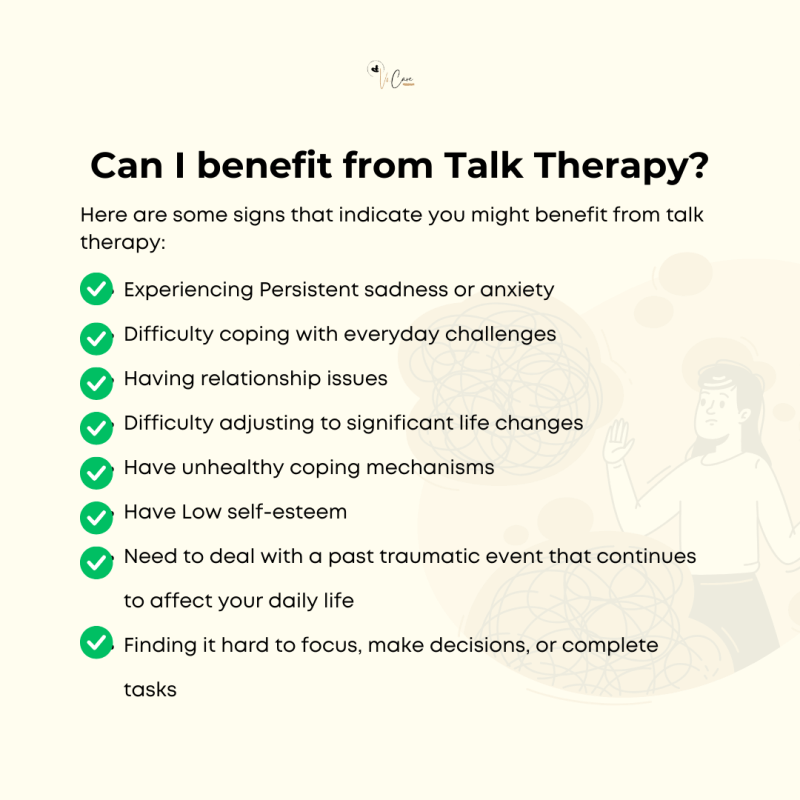
Throughout this time around, the frequency of sessions may require to be readjusted based on your development and advancing requirements. Sometimes, therapy as soon as a week isn't adequate to deal with complex psychological health conditions or severe signs. People dealing with trauma or serious anxiety may benefit from more frequent sessions to make certain consistent support and symptom administration.
Don't wait to reach out and have an open discussion with us about your treatment regularity. With each other, we can determine the most effective strategy to support your mental health and wellness successfully. Take that initial step towards a brighter future by contacting us today. Call Aspire Therapy or get to out online to start with a totally free appointment.
At Aspire Therapy, we're below to lead you every action of the method.
Affordable Support near Arlington, VA
Therapy regularity isn't one-size-fits-all. Just how frequently you should go to therapy depends on your individual objectives, mental health and wellness condition, and the type of therapy session you're participating in. Many individuals start with regular treatment sessions, yet over time, that cadence can move.

When you're resolving a severe mental disorder, learning psychological regulation skills, or functioning via major life adjustments, regular visits develop framework and energy. As your signs support or objectives change, you could change to bi-weekly sessions or perhaps a month-to-month session. These less frequent check-ins can still provide accountability and area for representation, especially when treatment is part of a broader self-care or health care regimen.
Therapy is most effective when it's regular. The rate of your sessions directly affects just how swiftly and deeply you can process your feelings, establish insight, and make behavior modifications.
Bi-weekly sessions offer more adaptability and are often made use of after first development has been made. This frequency may be appropriate for people that are in a more secure place or are taking care of light signs. That said, the prolonged gap between sessions may restrict opportunities for real-time support and decrease the pace of adjustment.
The Benefit of Therapeutic Work in Managing Mental Health Challenges
In these instances, frequent sessions use a supporting pressure, creating room for safety, processing, and emotional law. Some people also attend treatment more frequently if they are going through relationship struggles or if they are involved in pairs and household treatment as well as individual treatment.
Pairs treatment may also require a more regular tempo throughout times of crisis or dispute to rebuild count on and communication. A regular monthly session can be reliable for those in maintenance modepeople who have finished the a lot more intensive component of their treatment trip and currently seek periodic check-ins to stay grounded.
The most effective means to determine the right rate is via an open conversation with your specialist. They'll assist examine your objectives, progression, and needsand advise a suitable schedule. Therapy frequency should advance with you. Many individuals begin with weekly therapy sessions to develop rapport and momentum. Gradually, as coping approaches end up being second nature and obstacles are resolved, you might relocate to bi-weekly sessions or monthly maintenance sessions.

Navigation
Latest Posts
Self Psychology within Depth Psychology for Identity Work
CBT Approaches for Waterloo, Ontario Practices
Supporting Change Between Counseling